Graduate programmes play a critical role in shaping future leaders, but the earliest stages often determine long-term engagement, confidence and retention. A strong start is not about overwhelming graduates with information; it is about helping them feel connected, capable and motivated from day one.
For organisations investing in graduate talent, the question is no longer whether to prioritise engagement at the start of a programme, but how to do it in a way that delivers measurable outcomes. This is where structured, experience-led team building becomes a powerful tool.
Get in Touch
Why the First Stage of a Graduate Programme Matters
When graduates join an organisation, they are navigating multiple challenges at once: new environments, unfamiliar expectations and the pressure to perform. Research consistently shows that early experiences strongly influence confidence, belonging and long-term commitment.
Graduate programmes that include interactive onboarding and collaborative activities tend to see:
- Faster relationship building between peers
- Higher levels of confidence and participation
- Stronger alignment with organisational culture
- Improved early-stage retention
A well-designed start helps graduates move from observers to contributors more quickly.
What Graduates Need in Their First Weeks
Graduate employees often value different motivators compared to more experienced hires. At the start of a programme, the most impactful elements include:
- Belonging and Peer Connection
Graduates want to feel part of a cohort rather than isolated individuals. Structured group activities help break down social barriers and establish trust early.
- Psychological Safety
Low-stakes challenges and collaborative tasks allow graduates to contribute ideas without fear of judgement, building confidence and openness.
- Practical Skill Development
Activities that mirror real workplace behaviours, such as communication, problem-solving, and decision-making, all help graduates understand expectations in a hands-on way.
- Clear Cultural Signals
Experiential learning communicates company values far more effectively than presentations alone.
How Team Building Supports Graduate Programmes
Team building is most effective in graduate programmes when it is purposeful rather than performative. Well-structured activities allow organisations to observe natural behaviours while giving graduates a safe environment to learn and grow.
At EML Team Building, graduate programme events are designed to:
- Encourage collaboration across diverse academic and personal backgrounds
- Reveal leadership potential in a non-hierarchical setting
- Improve communication and decision-making under time pressure
- Strengthen group cohesion from the outset
These activities create shared experiences that graduates continue to reference long after induction ends.
Popular Team Building Formats for Graduate Programmes
Different stages of a graduate programme benefit from different formats. Common approaches include:
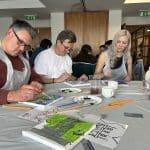
Ideal for early induction phases, indoor activities focus on communication, creative problem-solving and group dynamics. These sessions are particularly effective for helping quieter graduates find their voice.
Great examples from our range include Building Bridges, Lego Maser Builders, Team Challenge and Team Apprentices.
View Our Indoor ActivitiesOutdoor challenges encourage resilience, adaptability and teamwork. They are well-suited to cohort bonding days or milestone moments within a programme.
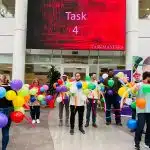
Graduate team building options in the great outdoors include: Crystal Maze, Soap Box Derby, Junkyard Challenge and Squad Games.
View Our Outdoor ActivitiesFor hybrid or geographically dispersed graduate intakes, virtual activities ensure inclusivity while still delivering meaningful interaction and engagement.
View Our Virtual Activities
Measuring Impact in Graduate Engagement
Organisations increasingly expect graduate initiatives to demonstrate return on investment. Effective graduate team building can be evaluated through:
- Engagement surveys before and after events
- Retention rates during the first year
- Feedback on confidence, collaboration and communication
- Manager observations of cohort cohesion and performance
By aligning activities with clear objectives, team building becomes a strategic investment rather than a one-off experience.
Best Practices for Graduate Programme Team Building
To maximise impact, organisations should:
- Schedule team building early in the programme, not months later
- Align activities with learning outcomes and business values
- Keep sessions inclusive and accessible to all abilities
- Build in reflection to connect experiences to real work scenarios
This approach ensures graduates understand why they are participating, not just what they are doing.
How EML Team Building Supports Graduate Programmes
EML Team Building works with organisations across the UK to design graduate programme experiences that are engaging, inclusive and outcome-driven. With activities available nationwide and virtually, graduate intakes can be supported regardless of location.
Each programme is tailored to:
- Cohort size and diversity
- Industry and organisational goals
- Time constraints and delivery format
- Desired behavioural and cultural outcomes
The result is a graduate programme that starts with clarity, confidence and connection.
Final Thoughts
Kicking off a graduate programme with impact is about more than a strong first impression. It is about creating the conditions for learning, collaboration and long-term success.
By investing in structured, purposeful team building at the start of a graduate programme, organisations can accelerate engagement, strengthen cohort bonds and set graduates up to thrive. When graduates feel connected and confident from the beginning, the benefits are felt across teams, departments and the wider organisation.
Get in touch to find out more.
Get in Touch

With over two decades in corporate team building, I’m Co-founder and Lead Facilitator at EML Team Building. We help organisations strengthen collaboration through innovative, engaging, and outcome-driven experiences.
Since 2000, I’ve worked with 6,000+ teams from globally recognised organisations—including American Express, Deloitte, and Danone—designing and delivering tailored events that build trust, improve communication, and elevate performance.
I believe in collaboration that works—sessions designed to be business-relevant, energising, and immediately useful back at the desk.